Homeowners in Port Townsend, WA face wet winters, salty air and tight property setbacks that change how you approach garage door installation. Whether you plan a DIY run or hire contractors, safety should guide every choice for garage door installation from product selection to final testing.
Plan first: site, permits, and the right product
Before any physical work begins, inspect your site. Port Townsend’s coastal climate can accelerate corrosion on hardware and torsion springs. Choose finishes and materials rated for humid, salty conditions and size the system for your door opening and local wind loads. Good planning reduces rework and risk during garage door installation.
Check permits and codes
Confirm local permit requirements with Jefferson County and Port Townsend building officials when your project alters structural framing or adds a larger opening. Many homeowners assume a simple swap is permit-free; incorrect assumptions can create failure points and legal headaches. If unsure, ask a contractor to help with permit pulls.
Choose materials suited to WA weather
- Rust-resistant hardware: stainless or galvanized for openers, tracks, and fasteners.
- Insulated door panels with proper seals to reduce moisture and drafts.
- Weather-stripping rated for marine climates to limit corrosion inside the track and rollers.
Selecting the right materials for garage door installation wa how to improve safety guide is a practical early step that lowers long-term hazards.
Tools, technique, and safe work practices
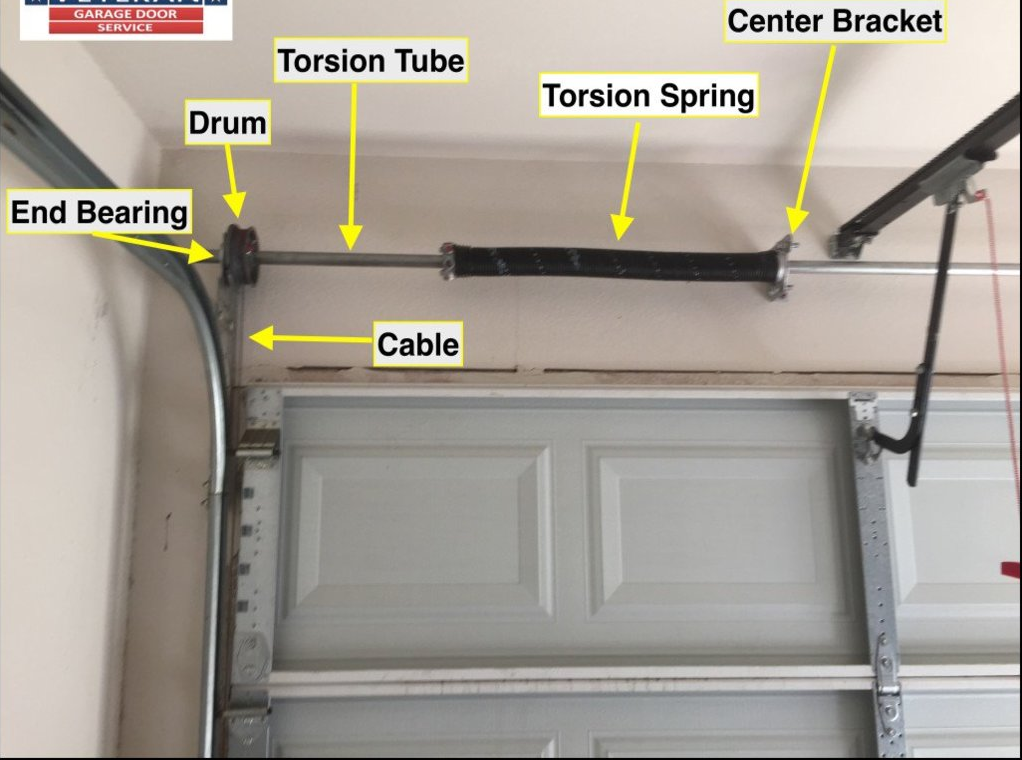
Proper tools and technique are essential. A common cause of injury during garage door installation is incorrect spring handling—torsion springs store dangerous energy. Only qualified technicians should tension or replace springs. If you choose to do lighter tasks yourself, follow safety procedures closely.
Essential safety gear
- Eye protection and gloves rated for mechanical work.
- Locking pliers or clamps to secure sections while working.
- Sturdy ladders and scaffolding sized for the opening height.
- Torque tools and proper spring rods when testing torsion springs.
Never stand under a door during testing. Use clamps on the track and block the door to prevent accidental lowering. If you’re unsure, consult our local resources and read troubleshooting posts on our blog for step-by-step photo guides and safety checklists before attempting more than minor adjustments.
Weather, timing, and scheduling for Port Townsend
Timing work around Port Townsend weather improves safety. Schedule exterior work in dry spells to avoid slippery surfaces. High winds can make a partially installed door unstable; postpone work when forecasts predict strong gusts or storm surges.
Seasonal considerations
- Spring/fall: Best window for larger installs — calmer weather and moderate temperatures.
- Winter: Use heaters and dry storage for components brought indoors; avoid metal-on-metal work in freezing, wet conditions.
- Salt exposure: Rinse exposed hardware after storms and apply protective coatings annually.
Plan for a final inspection and functional test on a calm day. If you prefer a professional timeline, check our detailed services page for estimated lead times and seasonal availability.
Hiring a contractor vs. DIY: risks and warranties
Deciding between a professional and DIY approach hinges on risk tolerance and the complexity of the job. Garage door installation often involves heavy sections, electrical connections for openers, and high-tension springs—factors that make many homeowners opt for qualified help.
When to hire a pro
- Torsion spring replacement or major hardware upgrades.
- Electrical wiring for smart openers or multiple safety sensors.
- Structural modifications to enlargen openings or change header framing.
Professionals carry liability insurance and often provide labor warranties that protect against installation errors. Before hiring, ask for proof of insurance, a written scope, and specific warranty details. If you want to get an estimate or arrange a safety inspection, use our contact page to schedule a local consultation.
DIY safety checklist
- Read the manufacturer manual fully before starting any garage door installation.
- Secure the door in the open position before loosening springs or disconnecting the opener.
- Test safety sensors and auto-reverse mechanisms after any adjustment.
- Keep small children and pets away from the work area; install temporary barriers as needed.
Following a checklist reduces the chance of missed steps that can cause injuries or functional failures after a garage door installation.
Post-install inspection and maintenance
After installation, perform a systematic inspection: balance tests, sensor alignment, opener force settings and hardware torque checks. Create a maintenance schedule—seasonal checks in Port Townsend are wise because of coastal exposure. Regular lubrication, fastener tightening and sensor alignment preserve safety and extend the life of your system.
For ongoing service plans or emergency repairs in Jefferson County, our service team lists common packages and seasonal offers on the services page.
Proper garage door installation and maintenance are investments in safety and home value. Whether you’re replacing worn sections, upgrading to an insulated door for energy savings, or installing a modern opener with smart safety features, follow local codes, use the right materials, and don’t hesitate to call a licensed pro when the task involves springs or structural changes.
When in doubt, schedule a professional inspection—small corrections now prevent dangerous failures later and protect your family and property.
Frequently Asked Questions — Port Townsend, WA
Do I need a permit for a garage door replacement in Port Townsend?
Most straightforward replacements that don’t alter framing rarely need a permit, but enlarging an opening or changing header framing does. Check with Jefferson County or ask a contractor to confirm before work begins.
How long does a typical residential garage door installation take?
A standard replacement normally takes 4–8 hours for an experienced crew. Complex jobs that include framing changes, insulation, or electrical upgrades often take 1–3 days. Coastal weather and permit delays can extend timelines.
What price range should Port Townsend homeowners expect?
Basic panel-door swaps often start in the low thousands. Upgrades (insulation, corrosion-resistant hardware, smart openers) increase cost. Get at least two local estimates and confirm whether the quote includes springs, tracks, labor, and disposal.
Does a warranty cover corrosion in salty coastal conditions?
Warranties vary—manufacturer corrosion coverage may be limited. For Port Townsend, choose hardware rated for marine environments and confirm warranty terms in writing; add annual maintenance to preserve coverage where required.
Are there special safety checks after installation?
Yes. Test auto-reverse, photo-eye alignment, opener force settings, and spring tension. Make sure sensors are mounted at the correct height and that the door reverses on contact with a 2×4 placed on the floor.
Helpful local resources in Port Townsend, WA
- Garage Door Repair Seattle
- Garage Door Repair Bellevue
- Garage Door Repair Redmond
- Garage Door Repair Kirkland
- Garage Door Repair Mercer Island
- Garage Door Repair Edmonds
- Garage Door Repair Issaquah
- Garage Door Repair Tacoma
- Garage Door Repair Everett
- Garage Door Repair Bothell
- Garage Door Repair Sammamish
- Garage Door Repair Renton
- Garage Door Repair Lynnwood
- Garage Door Repair Woodinville
- Garage Door Repair University Place
- Garage Door Repair Gig Harbor
- Garage Door Repair Lakewood
- Garage Door Repair Puyallup
- Garage Door Repair Mukilteo
- Garage Door Repair Vancouver
- Garage Door Repair Kenmore
- Garage Door Repair Burien
- Garage Door Repair Auburn
- Garage Door Repair South Hill
- Garage Door Repair Yarrow Point
- Garage Door Repair Clyde Hill
- Garage Door Repair Port Townsend
- Garage Door Repair Duvall
- Garage Door Repair Snoqualmie