If you own a home in Port Townsend, WA and rely on an automatic garage, this guide will help you with common garage door opener repair troubleshooting before you call a technician. The coastal weather in and around Port Townsend can affect electronics and metal parts, so a quick local check can save time and money.
Quick safety checks before any troubleshooting
Never work under a moving door or try to adjust springs without proper tools and experience. Before any DIY steps, unplug the opener or disconnect the trolley using the manual release cord. That protects both you and the opener while you isolate the problem.
Essential pre-checks
- Power: confirm the opener is plugged in and a household outlet is working.
- Remote battery: replace the battery in the remote and reprogram if needed.
- Wall switch: test the wall-mounted switch to rule out remote issues.
- Safety sensors: clear obstructions and align the photo-eye sensors at each side of the door.
Common symptoms and step-by-step fixes
Below are typical signs homeowners see and practical troubleshooting you can try before scheduling garage door opener repair service.
Opener won’t respond at all
If the unit is dead, start with the power feed. Try a different outlet or a known-working device in the same outlet. If the opener still won’t power on, check the circuit breaker or GFCI. Salt air in Port Townsend can corrode electrical contacts over time, so ensure the plug and outlet look clean and dry.
When to call: if the opener still shows no power after these steps, contact a pro for a safe electrical inspection and opener diagnostics.
Door moves partially or reverses
If the door opens partway then reverses, the safety sensors may be misaligned or blocked. Clean the sensor lenses, ensure both sensors’ LED indicators show alignment (usually steady light), and remove debris from the track area.
Limit switches control travel distances. If the door stops in the wrong spot, adjusting travel limits on the opener can resolve the issue—but consult the opener manual or a technician to avoid creating a safety hazard.
Noisy opener or slow movement
Noise can point to worn gears, a failing belt or chain drive, or loose hardware. Lubricate rollers and hinges with a silicone-based lubricant designed for garage doors, but do not lubricate rubber components or the opener motor itself.
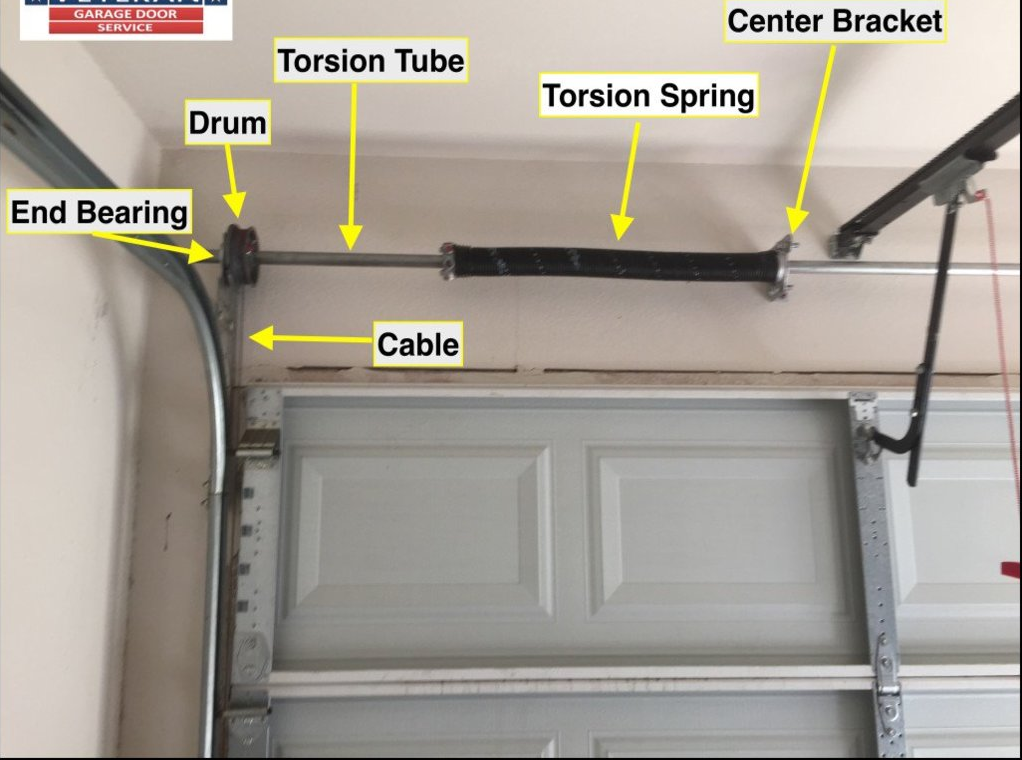
Slow operation might indicate motor strain from heavy doors, broken springs, or worn drive components. Broken springs transfer load to the opener, causing slow, strained movement; this is a job for experienced technicians due to the spring tension involved.
Weather-related causes specific to Port Townsend
Port Townsend’s marine climate can accelerate corrosion and make metal parts stiffer in cold, damp conditions. Here are weather-linked issues local homeowners often see:
- Corroded fasteners and hinges — inspect and replace rusty hardware to prevent failures.
- Moisture in the opener housing — condensation can cause intermittent electrical faults; keep the opener ventilated and elevated if possible.
- Frozen tracks or seals in winter — clear ice and check bottom seals for cracking.
Regular seasonal checks reduce the need for emergency garage door opener repair.
When DIY repairs are appropriate — and when to call a pro
Some fixes are safe and straightforward: replacing remote batteries, realigning sensors, lubricating rollers, or clearing track debris. More complex tasks should be left to technicians: spring replacement, internal motor repairs, gear replacement, or any work requiring the opener be disassembled.
Expected timelines for common repairs
- Remote & sensor fixes: often same-day while you wait.
- Minor mechanical repairs (rollers, hardware): usually same-day to next-day depending on parts.
- Spring replacement or major opener replacement: may require same-day service or scheduled appointment with parts — plan for a few hours of labor.
If you decide a professional is needed, reach out so a technician can assess door balance, opener load, and recommend repair versus replacement.
Cost expectations and warranty questions
Homeowners often ask how much they should budget for a repair. Prices vary by the issue, door size, and parts required. Typical ranges you might expect:
- Diagnostics and minor repairs: lower-range diagnostic fees, often applied to the job if you proceed.
- Part replacements (sensors, remotes, rollers): moderate costs depending on quality and brand.
- Opener replacement: higher cost, influenced by horsepower, drive type (belt vs. chain), and smart features.
Always ask for a written estimate and warranty details. Many reputable installers offer limited warranties on parts and labor; verify length and what is covered before agreeing to service.
Permits and local rules
Most simple opener repairs do not require a building permit, but structural changes or significant electrical work might. When in doubt, check Jefferson County building department rules or ask your technician to advise on permits.
Preventive maintenance checklist
Routine maintenance reduces the need for urgent garage door opener repair and extends component life. Schedule these seasonal tasks:
- Inspect springs, cables, rollers, and mounting hardware for wear.
- Test the auto-reverse and photo-eye sensors monthly.
- Lubricate rollers and hinges annually; keep opener vents clear.
- Keep door tracks free of debris and check for dents or misalignment.
Professional tune-ups can catch small issues before they become costly repairs.
Local support and next steps
If your troubleshooting steps don’t resolve the problem, professional diagnostics can pinpoint whether the issue is the opener motor, drive components, or door hardware. For local homeowner resources and tips, visit our blog for seasonal advice.
Ready to schedule a service visit? Use our contact page to request same-day or next-day appointments. Browse typical offerings and service descriptions on our services page to understand repair and replacement options.
When in doubt, prioritize safety: do not attempt spring or heavy mechanical repairs yourself. A timely call can prevent damage to the door, opener, and your vehicle or belongings stored inside the garage.
Frequently Asked Questions — Port Townsend, WA
Q: Does Port Townsend weather cause extra opener problems?
A: Yes. Salt air and damp conditions can corrode contacts and stiffen moving parts. Regular inspections and seasonal lubrication help prevent many weather-related failures.
Q: How quickly can a technician in Port Townsend respond?
A: For most non-emergency garage door opener repair calls we offer next-day service; minor fixes are often completed same-day if parts are on hand. Use our contact page to request urgency.
Q: What price range should I expect for common repairs?
A: Minor repairs and diagnostics are relatively affordable; motor or spring replacements cost more. Request a written estimate with parts and labor before work begins.
Q: Are opener replacements covered by warranties in this area?
A: Many manufacturers and installers include warranties on new openers and parts. Verify the duration and what is covered—labor, parts, or both—at the time of purchase.
Q: Do I need a permit for garage door or opener work in Jefferson County?
A: Most routine repairs don’t require permits, but structural modifications or significant electrical changes might. Check with Jefferson County or your installer for specific guidance.
Helpful local resources in Port Townsend, WA
- Garage Door Repair Seattle
- Garage Door Repair Bellevue
- Garage Door Repair Redmond
- Garage Door Repair Kirkland
- Garage Door Repair Mercer Island
- Garage Door Repair Edmonds
- Garage Door Repair Issaquah
- Garage Door Repair Tacoma
- Garage Door Repair Everett
- Garage Door Repair Bothell
- Garage Door Repair Sammamish
- Garage Door Repair Renton
- Garage Door Repair Lynnwood
- Garage Door Repair Woodinville
- Garage Door Repair University Place
- Garage Door Repair Gig Harbor
- Garage Door Repair Lakewood
- Garage Door Repair Puyallup
- Garage Door Repair Mukilteo
- Garage Door Repair Vancouver
- Garage Door Repair Kenmore
- Garage Door Repair Burien
- Garage Door Repair Auburn
- Garage Door Repair South Hill
- Garage Door Repair Yarrow Point
- Garage Door Repair Clyde Hill
- Garage Door Repair Port Townsend
- Garage Door Repair Duvall
- Garage Door Repair Snoqualmie