Troubleshooting garage door repair issues in Port Townsend, WA
Homeowners in Port Townsend, WA face unique conditions—salt air, wet winters, and older houses—that can speed up wear on moving parts. This guide focuses on practical, safe checks you can do before calling a professional for garage door repair. Follow step-by-step troubleshooting to identify common problems, estimate urgency, and decide when to schedule a technician.
Quick safety checks before any troubleshooting
Always prioritize safety. Before you inspect anything, disconnect the opener (pull the emergency release), keep hands clear of pinch points, and wear safety glasses. If springs look frayed or cables are loose, treat the situation as hazardous: these parts are under high tension and should be handled by a qualified garage door repair technician.
Common issues and how to diagnose them
1. Door won’t open or close
First, verify the obvious: is the opener plugged in, and are your remotes or wall switch working? Replace remote batteries and test the wall button. If the opener hums but the door doesn’t move, the problem could be a disengaged trolley, broken drive components, or a snapped spring. If the door opens manually but not with the opener, the issue is usually the opener unit itself—time to call garage door repair pros.
2. Door reverses or stops when closing
Modern openers have safety sensors near the floor. Check sensor alignment and clear any debris. Misaligned or dirty sensors cause the door to reverse. Also inspect the photo-eye housing for condensation—common near Port Townsend’s coastline. If sensors look fine, adjust the close-force and travel limits on the opener per the manufacturer instructions; if adjustments don’t help, contact a garage door repair technician for a safe diagnostic.
3. Loud grinding, squeaking, or banging
Noise usually means friction or loose hardware. Start with a visual inspection: loose bolts on rollers and track brackets can cause banging. Clean and lubricate rollers, hinges, and springs with a silicone or lithium-based lubricant recommended for garage doors. Do not spray lubricant directly onto the track face—only rollers and hinges. If you hear a repeating thud or a metal scraping that won’t stop after lubrication, it may indicate worn rollers or warped track, which require professional garage door repair.
4. Door is off track or uneven
An off-track door is an immediate safety concern. Don’t attempt to operate the door if it’s visibly off track. Carefully close the door manually if safe to do so, and secure it to prevent further damage. Contact an experienced garage door repair service to realign or replace track sections and ensure springs and cables are balanced.
5. Broken springs or snapped cables
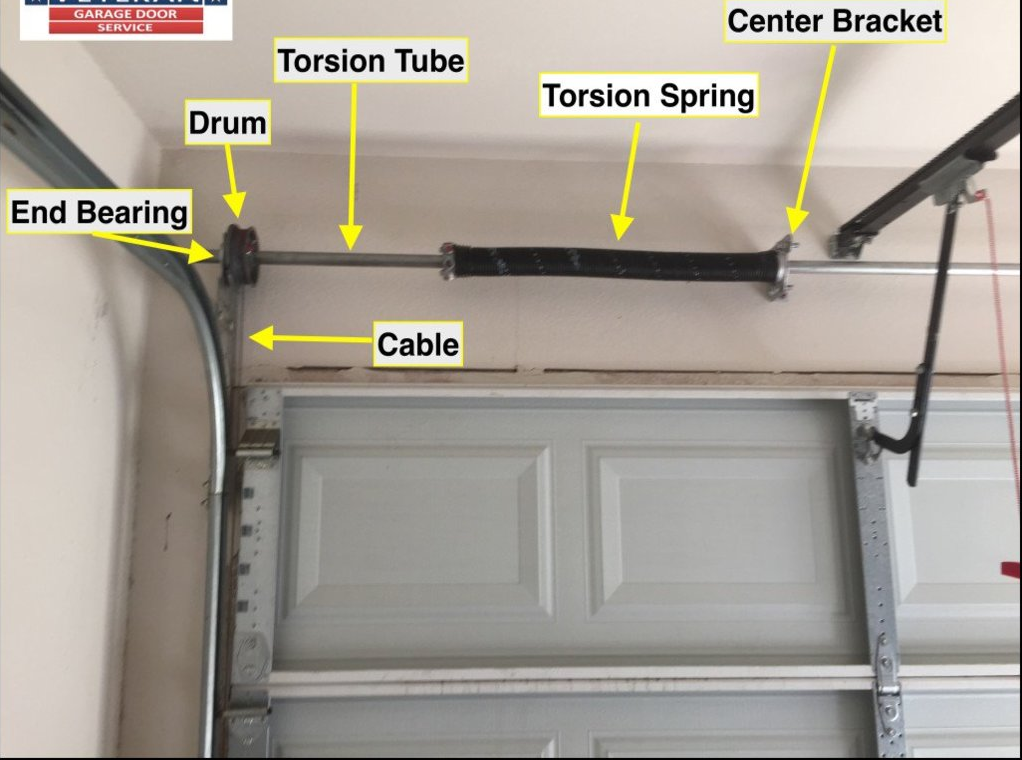
Broken torsion or extension springs are common failures and are dangerous to handle. If you see a visibly broken spring or slack cable, stop any attempts to open the door and call for professional garage door repair. A trained technician will use specialized tools to replace springs and re-tension the system safely.
Maintenance tips to reduce repair visits
Regular maintenance extends the life of your door and lowers the chance of emergency garage door repair calls. Aim for basic maintenance every six months, more often in coastal areas.
- Inspect hardware: tighten loose nuts and bolts on tracks and hinges.
- Lubricate moving parts: rollers, hinges, and springs (use recommended lubricants).
- Check balance: disconnect the opener and lift the door half-way; it should hold position. If not, schedule garage door repair for spring adjustment.
- Clean sensors: wipe photo-eyes with a soft cloth and verify alignment.
- Weatherseal check: replace worn bottom seals to keep out moisture and drafts.
For deeper maintenance topics and seasonal checklists, see our local tips on the blog.
When to call a pro — choosing the right service
DIY troubleshooting is useful, but some repairs must be left to specialists. Call professional garage door repair when you encounter:
- Broken springs or cables (safety risk).
- Door off the track or bent panels.
- Opener drive failures or unusual electrical issues.
- Complex spring adjustments or torsion system work.
Ask a potential technician about experience with coastal corrosion and local building codes. If you need to book service, review the range of options and typical timelines described on our services page to match crews to your needs.
Local factors that affect repairs in Port Townsend
Salt air and frequent moisture in Port Townsend accelerate rust and wear on exposed parts. Expect faster replacement cycles for rollers, hinges, and weatherstripping compared with drier inland areas. If your home is older, maintain a tighter inspection schedule—annual professional maintenance can catch problems early and reduce emergency garage door repair costs.
Permits and warranties
Minor repairs rarely need permits, but full system replacements or structural changes sometimes do. Check with Jefferson County building officials if you plan to change header framing or the garage opening. Ask your technician about parts warranties and labor guarantees—documented warranties help when corrosion-related failures happen within the coverage period.
Estimating cost and repair timelines
Local pricing varies. Typical ranges for common work in the Port Townsend area are:
- Minor adjustments and lubrication: low to moderate (same-day often possible).
- Roller or hinge replacement: moderate; usually a next-day to two-day turnaround depending on parts.
- Spring replacement: moderate to higher; many crews provide same-day service for broken springs.
- Opener replacement: higher cost; same-day installation possible if the model is stocked.
Always request a written estimate and ask whether the price includes labor, parts, and travel. For booking and specific timing, use our contact form or call—the fastest way to confirm same-day availability.
DIY fixes you can try safely
- Replace remote batteries and reprogram the opener if the remote loses range.
- Clean photo-eyes and ensure nothing blocks the beam.
- Tighten loose hardware and apply lubricant to hinges and rollers.
- Swap out worn weatherstripping at the bottom of the door to reduce drafts and moisture entry.
If a fix requires spring or cable tensioning, stop and call a trained garage door repair technician—improper handling can cause serious injury or property damage.
Final checklist before scheduling a repair
- Note noises, when they occur, and any visible signs (off-track, broken parts, rust).
- Test manual operation and whether the door stays in place when opened halfway.
- Gather opener model numbers and any past service records—this speeds diagnosis.
- Take photos of damaged sections to send to the technician before arrival.
For targeted guidance on repairs, parts, and local pricing, our team offers clear estimates and experienced work across residential service needs—see our full list of options on the services page or contact us directly via the link above.
Frequently Asked Questions — Port Townsend, WA
Q: How does Port Townsend’s salt air affect garage door parts?
A: Salt air speeds corrosion on exposed metal—rollers, hinges, and springs wear faster. We recommend inspection every 6 months and using corrosion-resistant parts. If you see rusted cables or pitted springs, arrange garage door repair promptly to avoid failure.
Q: What is a typical timeline for spring replacement?
A: In most cases, a spring replacement is same-day or next-day. Availability depends on part stock and access; emergency calls for broken springs are usually prioritized because they pose safety risks.
Q: Do I need a permit for a full door replacement in Jefferson County?
A: Minor replacements often don’t need permits, but structural changes to the opening or header can. Check with Jefferson County building services or ask your contractor to verify before work starts.
Q: What price range should I expect for residential garage door repair here?
A: Basic adjustments and part swaps are lower cost; spring or opener replacement is mid-range to higher. Expect variable pricing depending on parts and labor—request a written estimate that includes warranty terms.
Q: Will my door warranty cover corrosion from coastal weather?
A: Warranties vary. Some cover manufacturing defects but exclude corrosion from environmental exposure. Keep documentation and ask the installer to clarify coverage for coastal conditions during booking.
Helpful local resources in Port Townsend, WA
- Garage Door Repair Seattle
- Garage Door Repair Bellevue
- Garage Door Repair Redmond
- Garage Door Repair Kirkland
- Garage Door Repair Mercer Island
- Garage Door Repair Edmonds
- Garage Door Repair Issaquah
- Garage Door Repair Tacoma
- Garage Door Repair Everett
- Garage Door Repair Bothell
- Garage Door Repair Sammamish
- Garage Door Repair Renton
- Garage Door Repair Lynnwood
- Garage Door Repair Woodinville
- Garage Door Repair University Place
- Garage Door Repair Gig Harbor
- Garage Door Repair Lakewood
- Garage Door Repair Puyallup
- Garage Door Repair Mukilteo
- Garage Door Repair Vancouver
- Garage Door Repair Kenmore
- Garage Door Repair Burien
- Garage Door Repair Auburn
- Garage Door Repair South Hill
- Garage Door Repair Yarrow Point
- Garage Door Repair Clyde Hill
- Garage Door Repair Port Townsend
- Garage Door Repair Duvall
- Garage Door Repair Snoqualmie